

Retail chains run into the same headache over and over: a brilliant façade concept that flakes apart during installation or fails under wind and time. This piece unpacks that problem-driven path from design to installed reality, using hard lessons from large-scale projects and practical fixes for retail signage. The goal is simple—keep aesthetics bold while making sure each unit in a bulk run behaves like the prototype. Industry terms to watch for here include façade, LED modules, and mounting brackets; they show up because they matter to structural integrity and long-term uptime.

Where things go wrong in bulk production
Scaling a bespoke sign from one sample to four hundred is a different engineering challenge than designing a single build. Tolerances add up, materials vary between suppliers, and site conditions differ across locations. Too often the prototype is tested in controlled conditions while the production run ships without a full review of substrate consistency or cabinet signage tolerances. The outcome is inconsistent fit, warped faces, or failed brackets on high elevations where wind load matters.
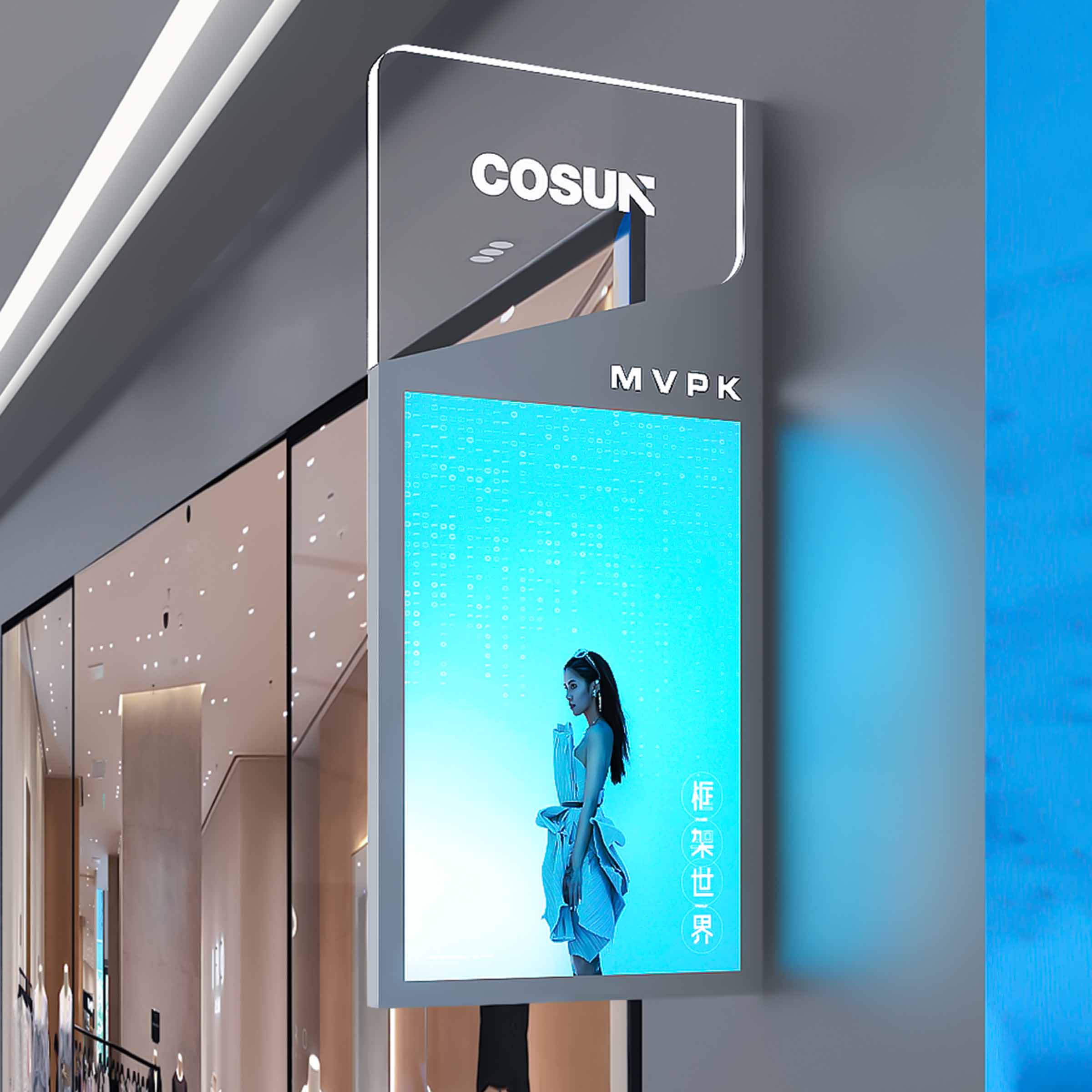
Key engineering levers that actually fix the problem
Start by treating each batch as a system, not just a set of identical parts. Standardize the substrate and verify lamination parameters. Specify LED modules with clear IP ratings and thermal specs so illumination stays even and reliable. Lock down mounting brackets with defined torque and weld specs; don’t leave that to installer discretion. Also include wayfinding clarity in the structural brief—directional cues and legibility are part of the build, not an afterthought.
Testing that mirrors real sites
Prototyping needs to simulate true conditions: wind load, thermal expansion, and UV exposure. A lab test that measures fastener shear, a field mockup on a rooftop, and a quick installation dry-run in a standard storefront reveal different failure modes. Use a basic checklist: material traceability, stress points at corners, and cable management pathways for LED runs. Real-world anchors help—projects near Times Square show how continuous vibration and daylight cycles accelerate wear, so assume harsher conditions for city-center façades.
Common mistakes and straightforward fixes
Install teams often skip two things: accurate site survey documentation and clear tolerance drawings. That causes onsite adjustments that compromise structural integrity. Correct this by providing modular junctions that allow ±10 mm field tolerances and pre-approved adapter plates for unusual wall substrates. Another common skip is the lack of clear maintenance access for LED modules—plan access routes and spare module inventory from the start.
Materials and supply chain practices that scale
Bulk orders demand tight vendor control. Lock specifications for alloys and fasteners, keep batch certificates, and run incoming inspection on every shipment. When switching suppliers mid-project, treat new batches as prototypes until they pass the same acceptance tests. That reduces surprises in finish, weight, and mounting behavior—critical when façade spans are long or signs sit at height.
How to include signage and directional clarity in the build
Wayfinding and structural design must be married early. Incorporate retail directional signage requirements into the engineering drawings so illumination angles and sightlines are accounted for in cabinet depth and mounting height. This avoids retrofitting light boxes or adding external supports later, which weakens the overall system.
Advisory: 3 golden rules for choosing strategies and tools
1. Prioritize specification rigidity: demand material certificates and fixed tolerances for every bulk batch. 2. Test like the site: perform one full-scale field mockup under anticipated wind and sunlight conditions before authorizing production. 3. Design for maintainability: ensure tool-free access to LED modules, replaceable faces, and straightforward wiring paths so repairs don’t morph into structural changes.
These rules cut failure points and keep operations predictable. For projects that balance bold visual language with repeatable builds, the engineering choices determine whether a façade becomes a durable landmark or an ongoing problem. The practical techniques discussed here lead to measurable reductions in onsite rework and warranty claims—proven by case work in dense urban centers.
Cosun Sign brings this systems mindset to bespoke runs, aligning structural detail with installation realities and long-term serviceability—so your boldest façades stay that way, year after year. —
