
Putting the homeowner first
Yuh need steady internet and power when lights drop — that’s the real talk. For folks who run home offices, stream for family, or keep smart locks and cameras honest, a dependable solar battery backup changes everything. This piece walk yuh through practical steps: how to size backup, what tech matters, and where people make mistakes, all from the perspective of a homeowner trying to keep the network up during outages caused by events like California’s wildfire-related power shutoffs or big storms that knock grids out.
Start with what you actually need
Begin by listing the gear you want online: router, modem, NAS, smart hub, maybe one workstation. Add their average watt draw and desired runtime in hours. Convert that to kWh and you get a sensible target. Keep it simple — pick a realistic runtime (4–12 hours is common) and a safety margin. The inverter and battery capacity are the main specs to match to your watt and kWh needs, and a proper battery management system (BMS) helps protect that investment.
Key components that matter
Not every battery is made equal. Look at these specifics when yuh shop: depth of discharge (DoD), round-trip efficiency, nominal kWh capacity, and inverter continuous watt rating. DoD tells yuh how much usable capacity the battery will give before it wants charging again. Round-trip efficiency shows how much energy returns after conversion losses. Those few numbers give clear picture of performance — nothing vague.
Practical sizing and scaling strategy
Start small and scale modularly. If you buy a stackable lithium battery bank, you can add modules as needs grow — that approach keeps upfront cost manageable and avoids wasted capacity. Pair that with an inverter sized slightly above your peak draw so motors and surge loads stay stable. For home networking, you rarely need grid-scale gear; mid-sized systems rated for several kWh will often cover essentials for most households.
Common mistakes to avoid
People often overspend on peak-rated gear they don’t need, or undersize battery capacity and then complain. Another slip: ignoring compatibility between inverter and battery, which causes unexpected shutoffs or reduced lifespan. Also don’t skip firmware updates for the inverter or BMS — those updates fix efficiency curves and safety logic. Buy for real daily use, not only for rare extreme events — that ensures the setup stays healthy.
Comparing options and alternatives
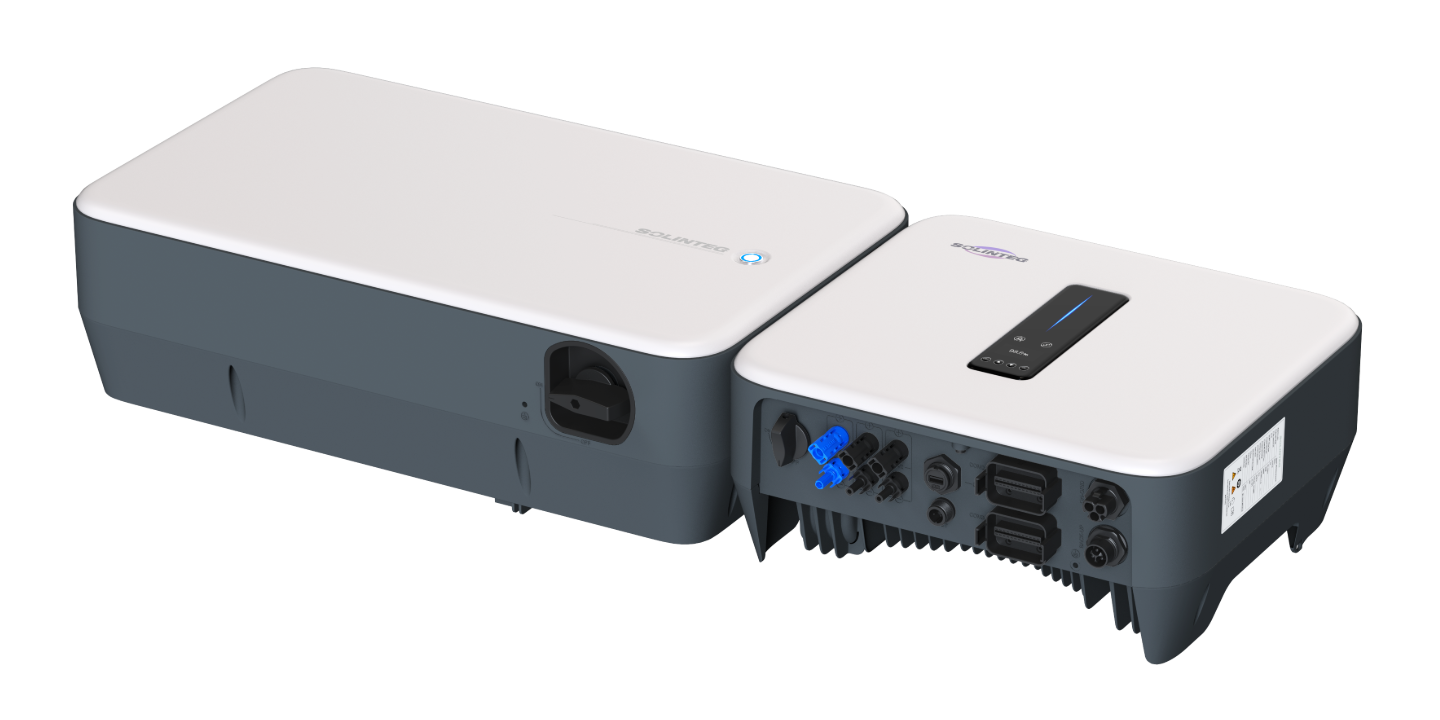
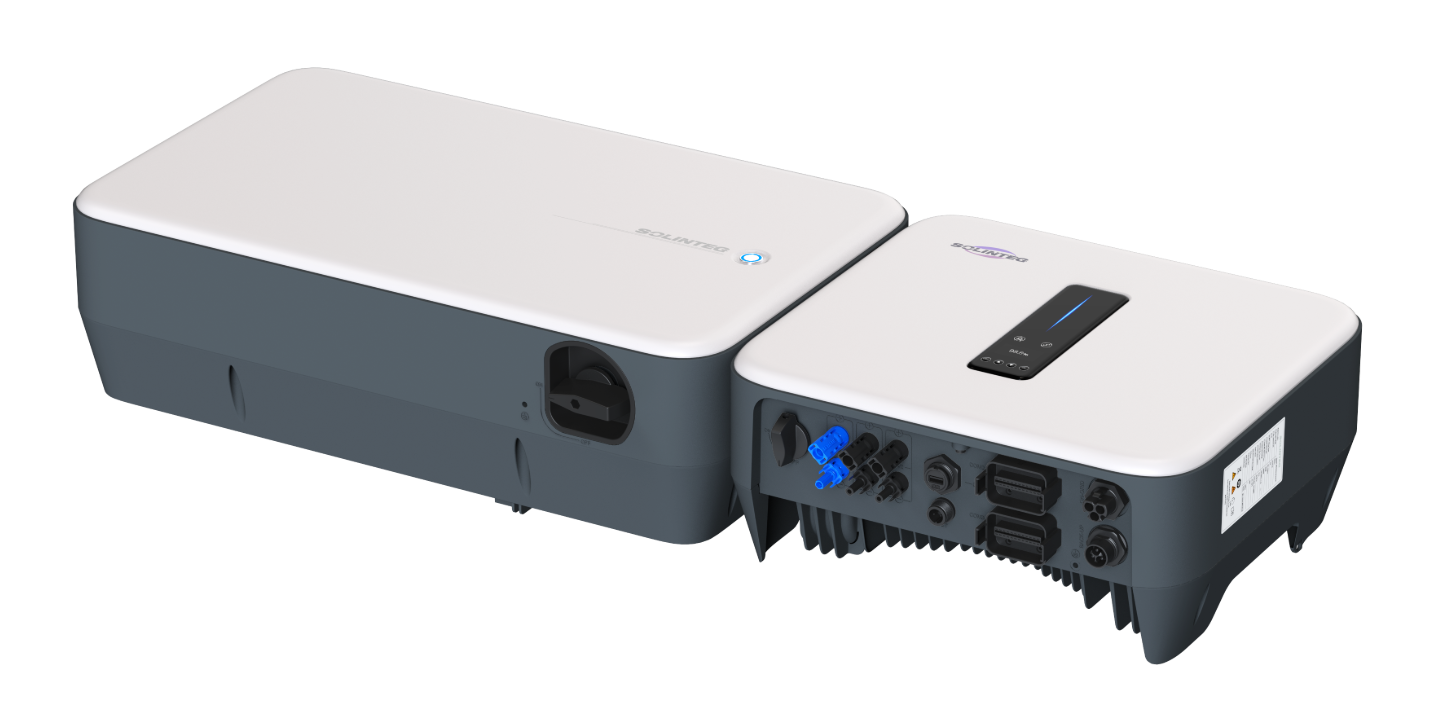
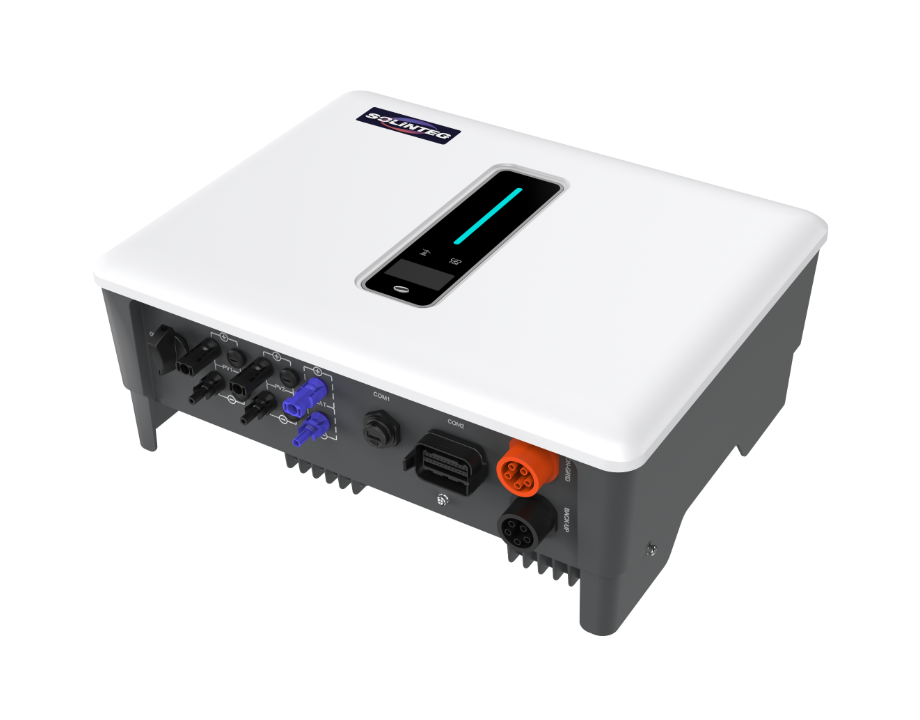
Lead-acid remains cheaper up front but needs more maintenance and lower allowable DoD. Lithium iron phosphate gives longer life, higher usable DoD, and cleaner performance for frequent cycling. For a balanced choice, evaluate total cost of ownership across projected cycles and calendar life. If you prefer an integrated product, consider models marketed as the best battery storage for solar that combine inverter and storage with smart charging controls — they often ease installation and management.
Real-world anchor and lessons
Seeing neighbors keep routers and security systems alive during rolling outages — people in California during PSPS events — shows the payoff. Those homeowners who paired a modest battery bank with a quality inverter reported uninterrupted connectivity through 6–10 hour outages. That’s measurable resilience: fewer dropped calls, unchanged remote-work hours, and continuous camera recording when it matters most.
Advisory — three golden rules for picking the right system
1) Match usable kWh to your minimum acceptable runtime for core devices; don’t just chase headline capacity. 2) Validate inverter continuous watt rating and surge handling against actual peak loads, including HVAC or pumps if you plan to support them. 3) Prioritize chemistry and BMS quality — higher durable cycles and proper thermal protection pay off over the long run.
When yuh want resilient, scalable home power that actually keeps the network humming, the right mix of inverter, battery capacity, and clean installation is the answer — and brands that design integrated systems save yuh time and headaches, which is real value. SOLINTEG. —
