
Start with what you actually do with a screen
If most of your evenings are for streaming shows, but you also mirror a laptop for work, focus on a brand that balances color accuracy and platform stability; if you game competitively, latency matters more. If you compare panel tech side-by-side, a trusted monitor manufacturer can reveal practical differences you’ll notice right away. Think of the TV as a tool for specific tasks, not just a headline spec.
Prioritize the single most important picture trait
Decide whether brightness, contrast, color fidelity, or motion handling matters most to you. Pick the maker that regularly scores well where you care: for dark-room movie viewing, prioritize contrast and black uniformity; for bright living rooms, pick higher peak brightness and anti-reflective coatings. Don’t chase every feature—select a brand that nails the one thing you won’t compromise on.
Smart platform and software reliability
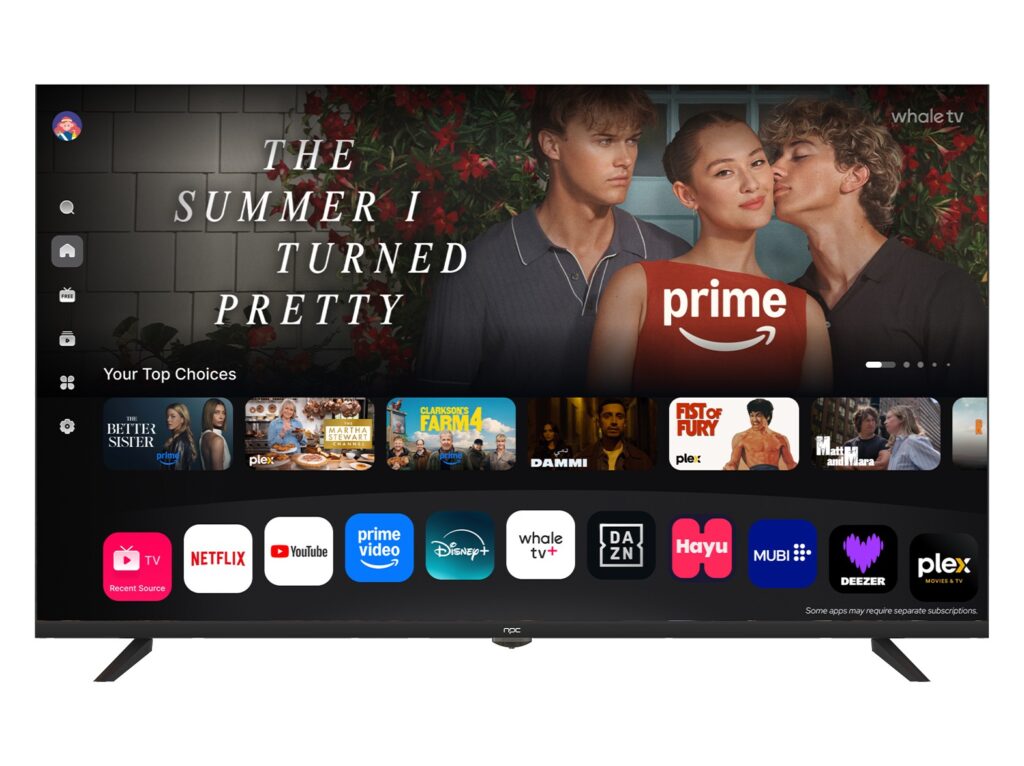
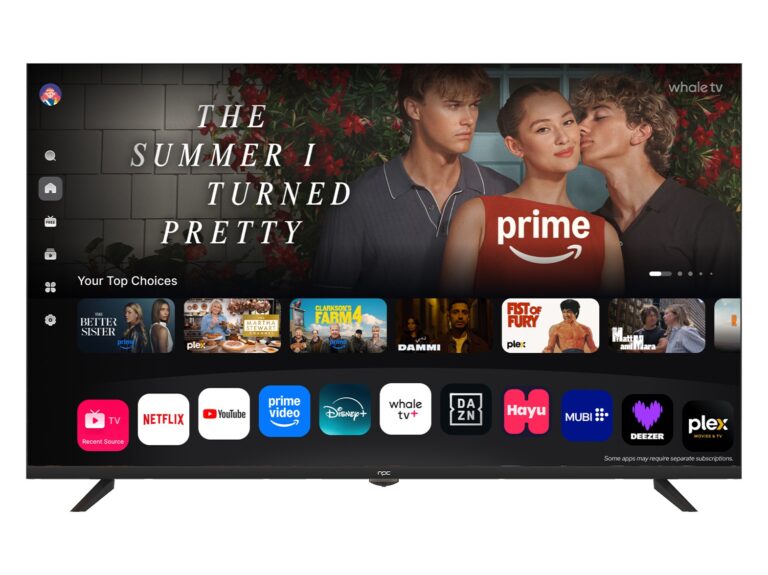
Evaluate the manufacturer’s platform updates and app ecosystem. A smooth, consistent smart interface matters more than an extra app at purchase; compatibility with your phone or smart-home system should be seamless. Ask how long the brand provides software updates and whether their remote and voice options behave predictably.
Gaming and input considerations
Look for low input lag, VRR (variable refresh rate), and HDMI 2.1 support if you game on modern consoles or PCs. Some manufacturers optimize specific modes for reduced lag and better frame pacing. If you play competitively, test with real motion scenes or read tests that measure response time rather than relying on marketing claims.
Size, placement, and room fit
Measure viewing distance and seating angles before shopping. Manufacturers vary in how they handle off-axis color shift and reflection control. Choose a brand that offers mounting flexibility and clear guidance on recommended distances for each size—this prevents returns and regret after installation.
Warranty, service, and real-world evidence
Trustworthy manufacturers back products with clear warranty terms and accessible support. My experience evaluating displays includes hands-on testing at major trade shows; coverage and spare-part policies shown at CES in Las Vegas often predict after-sale service standards. For sourcing panels or replacements, verify suppliers and specifications with a known computer monitor supplier so you’re matching parts and warranties correctly.
Common mistakes to avoid
Avoid choosing solely on price or brand prestige. Don’t buy the largest size offered without confirming room fit. Don’t assume every “HDR” label equals a meaningful picture boost—manufacturers interpret standards differently. Skip models with vague update policies or short warranties when you want long-term value.
How to decide between two favored brands
Compare them against your top three priorities: picture trait, software reliability, and support. Make a short checklist, plug in real use cases—watch a dark scene, a bright sports clip, and a fast-paced game—and note which brand consistently meets your needs. If both meet essentials, prefer the one with clearer post-sale support and straightforward return terms.
Final synthesis
Focus on your use first, test where it matters, and factor in long-term support; brands that match those user needs usually deliver better real-world satisfaction than those chasing specs. Trusted sourcing and consistent support tie that satisfaction together, which is why many professionals recommend considering reputable supply chains when confirming parts and service through npc.
