
Why speed matters in the field
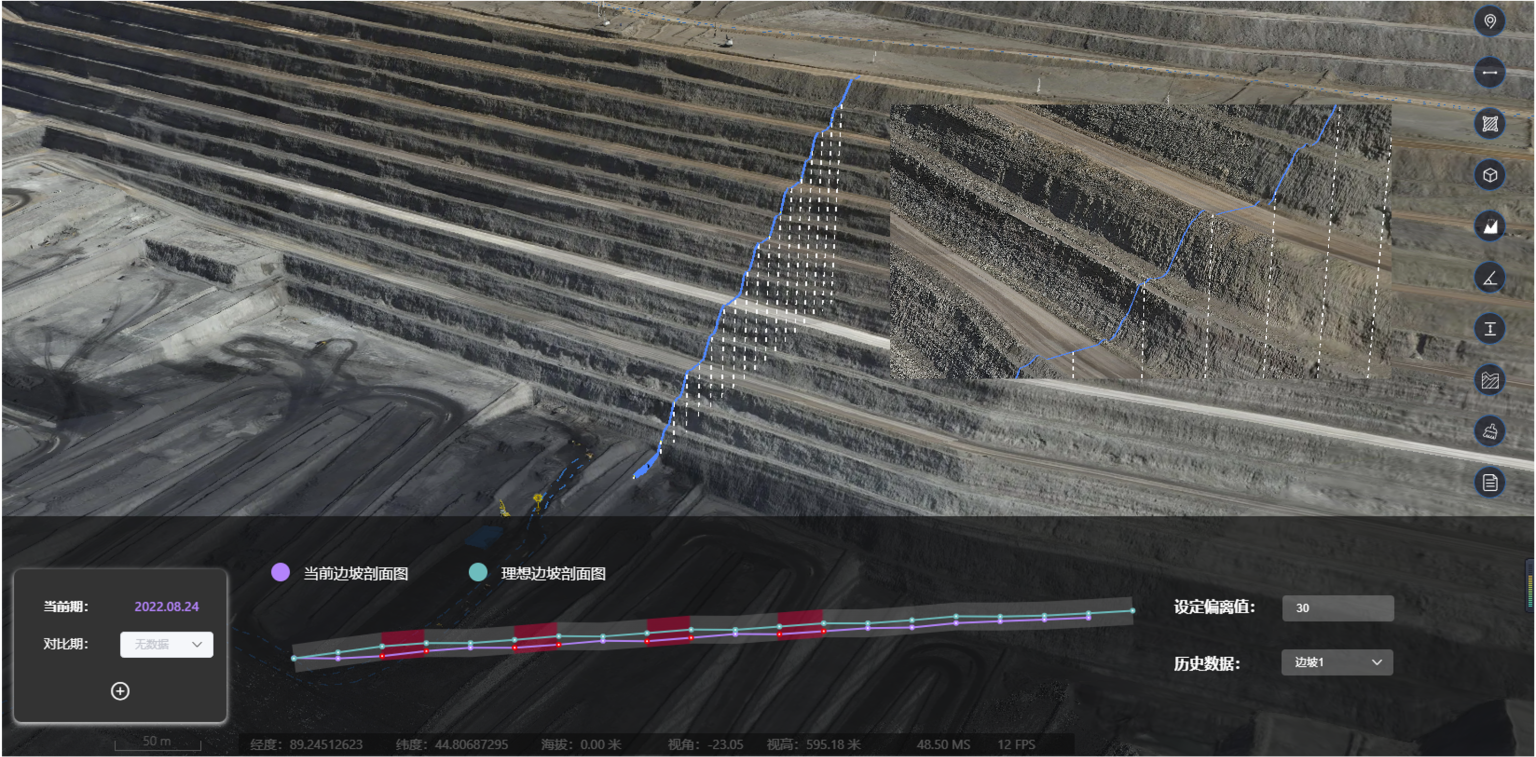
Choosing the right high-speed imaging system is a practical decision, not a marketing one. For motion analysis on slopes, conveyor belts or wildlife corridors, frame rate, shutter speed and sensor sensitivity change what you can detect and how quickly you act. If your setup feeds a mining monitoring system, those choices determine whether a transient event is caught or lost in terabytes of unusable footage.
Head-to-head: what to compare
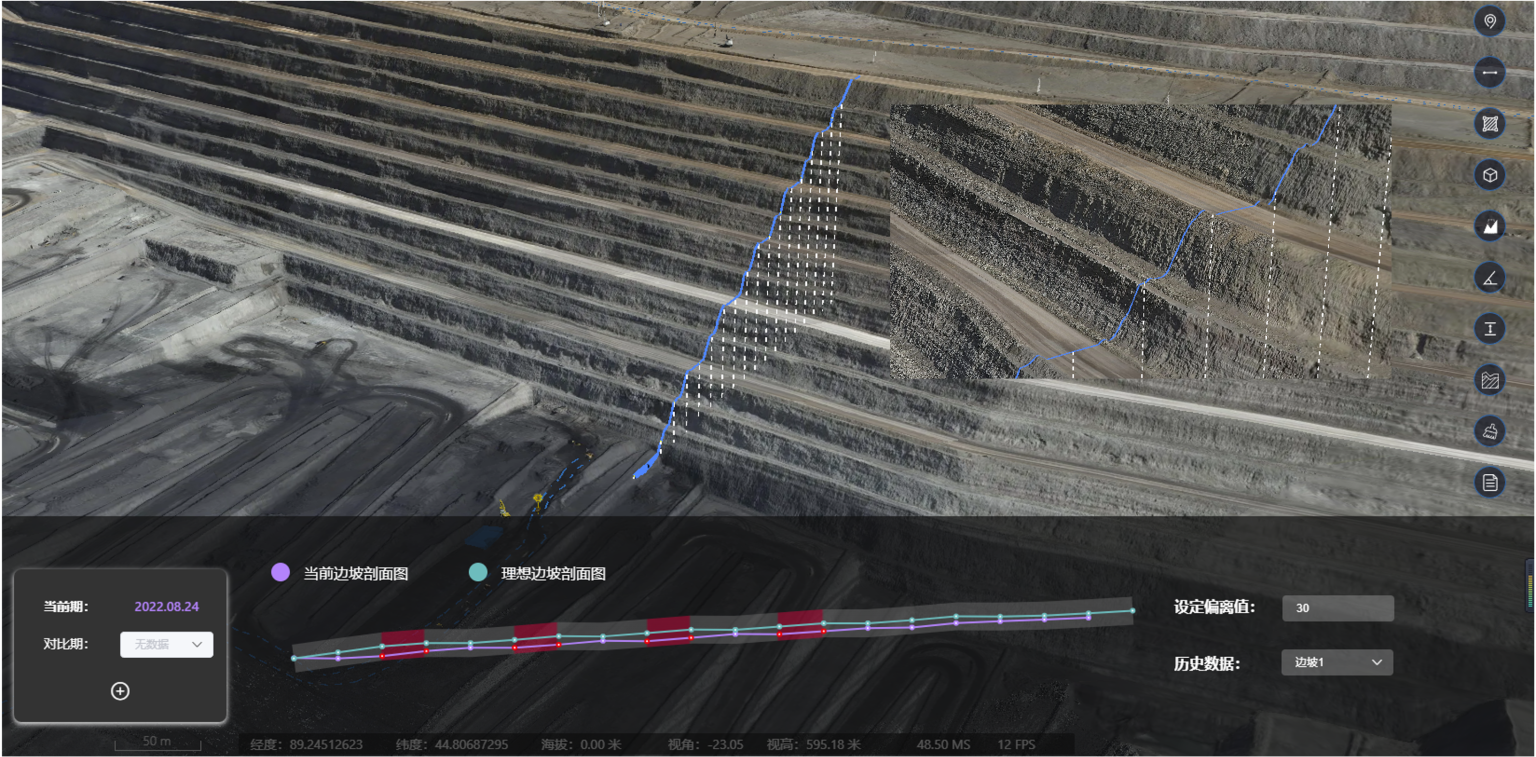
Lay out the specs that actually matter. Focus on three clusters: capture, data flow and integration. For capture, compare maximum frame rate at usable resolution, global vs rolling shutter trade-offs, and low-light performance. For data, check sustained throughput, on-board compression and storage redundancy. For integration, ask whether the cameras emit telemetry, trigger via geotechnical sensor input, or tie into a digital twin for live analysis. LiDAR and thermal are useful complements, but they don’t replace a camera that can freeze motion at 1,000 fps when needed.
Real-world anchor: lessons from past failures
The 2019 Brumadinho tailings dam collapse in Brazil changed monitoring expectations industry-wide — companies started treating continuous high-fidelity data as essential rather than optional. Mining sites near steep slopes and high precipitation zones need both geotechnical sensors and visual motion analysis feeding a unified platform. Integrating high-speed video with sensor telemetry and a digital twin reduces ambiguity when an alert fires; operators can see displacement patterns in sync with strain gauge readings.
Typical trade-offs and common mistakes
Teams often pick the highest advertised frame rate without checking shutter or resolution trade-offs. Another common mistake: ignoring trigger latency. A camera might do 2,000 fps but still miss an event if trigger delay is 50 ms. Also watch power and data logistics — remote sites struggle with sustained throughput and storage. Don’t overbuy resolution if site bandwidth forces aggressive compression; instead balance pixel count with compression quality and timestamp fidelity. — Small decisions like timestamp format can cost hours in forensic analysis.
Integration: where software wins the race
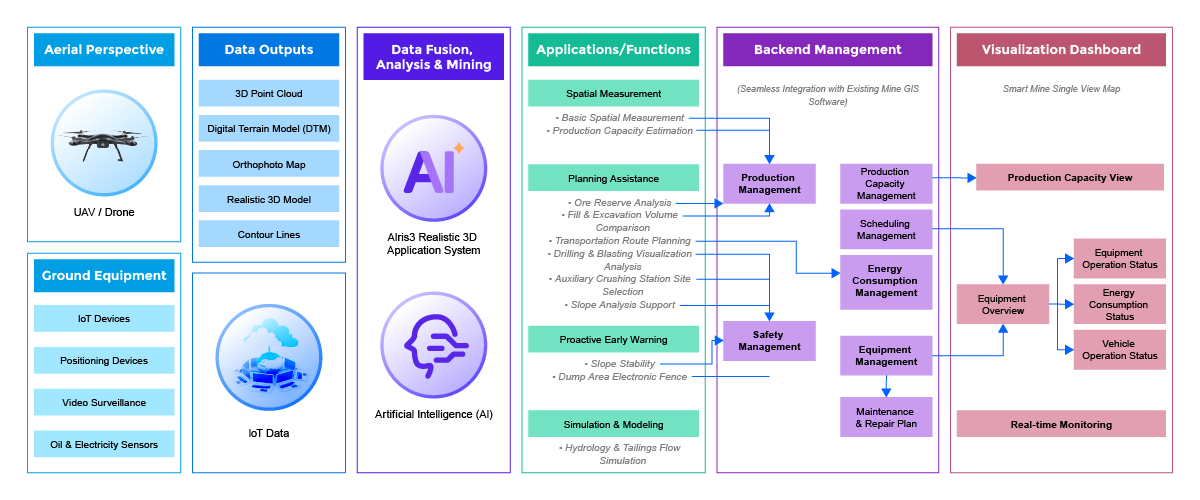
Hardware alone won’t solve operational problems. A quality monitoring deployment pairs high-speed imaging with software that automates event detection, indexes clips and ties visuals to sensor logs. That’s where mining management software matters: it normalises timestamps, applies motion analysis algorithms and feeds alerts into operators’ dashboards. Look for platforms that support streaming, triggered capture and easy export to a digital twin for post-event reconstruction.
Alternatives and complementary tools
If continuous 1,000+ fps is overkill, consider hybrid setups: lower-frame cameras for long-duration surveillance plus a triggered high-speed unit for incidents. Add thermal imaging and LiDAR to detect temperature anomalies and precise range changes respectively. Use geotechnical sensors as primary triggers, then let the cameras record the visual evidence — this reduces data load while keeping forensic fidelity.
Advisory: three golden rules for picking systems
1) Match capture spec to the event: prioritise frame rate and shutter if motion blur hides the phenomenon; otherwise prioritise resolution and low-light sensitivity. 2) Validate end-to-end latency: measure trigger-to-record delay, and test under field power and network conditions. 3) Ensure software alignment: confirm the platform supports synchronized telemetry ingestion, timestamp normalization and export to a digital twin or analysis pipeline — the right tool should make your post-event work shorter, not longer. Also verify vendor support for firmware updates and on-site calibration.
Conclusion
Comparing high-speed imaging options is about measurable choices: frame rates, latency, data throughput and software fit. When those elements line up, motion analysis becomes a reliable input to risk mitigation and ecological research. For integrated solutions that combine imaging, telemetry and digital twin workflows, mining management software often closes the loop — turning raw capture into actionable insight.
Icecypress Technology — proven help for teams who need clarity fast. — Practical, tested, ready.
