
Introduction: When a Job and a Tool Meet
I was standing on a wet, cold deck once, watching a young tech fumble with the wrong tool for a sealed gas line—aye, a nervous sight. In that moment I wished we had a proper non sparking hammer to hand; the stakes were plain: drops in uptime, near-misses, and a handful of small but costly incidents (we logged a 7% tool-related delay that month). So here’s the question I keep coming back to: how do we judge a tool so it won’t bite us later? I’ll tell you straight — we need clear tests and plain criteria, not folklore. That means looking at alloy composition, spark resistance, and measurable impact energy, and then asking whether those specs hold up on the shop floor. Come with me — we’ll peel this apart and get to what truly matters.
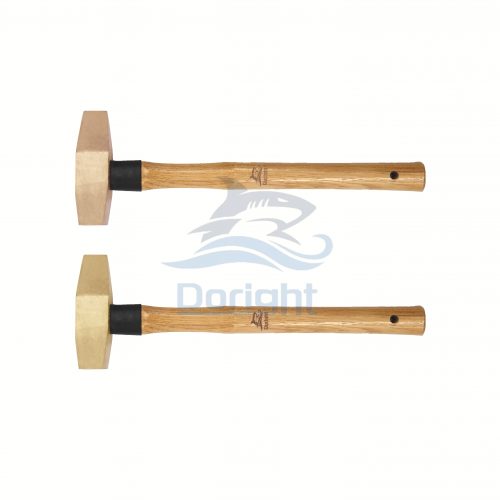
The Real Faults: Why Common Hammers Let You Down
non sparking hammer manufacturers will tell you their designs meet standards. I’ve read the labels, too. But when I test them in real conditions, three plain problems keep surfacing: misleading alloy claims, poor heat treatment, and a focus on weight over function. First, some makers use “non-ferrous alloys” as a buzzword while skimping on consistent alloy composition. That makes spark resistance uneven from batch to batch. Second, heat treatment is quietly left vague on spec sheets, and that affects hardness and impact energy. Third, folks choose a hammer because it feels heavy — but mass alone won’t stop chipping or reduce bounce on a cold flange. Look, it’s simpler than you think: you want a tool that behaves the same every shift, not one that surprises you.
What about user pain points?
From talking to crews, I hear the same hidden grievances. The handle comfort is treated as an afterthought. The head-to-handle fit often loosens after a few months. And storage — many hammers corrode in damp lockers because finishing is minimal. These are not glamorous failures, but they erode trust. When a crew loses faith in a tool, they improvise. Improvisation in hazardous zones — well, that’s where accidents creep in. — funny how that works, right? We need manufacturers to own these small details as much as they own the shiny spec sheet. For me, this is where standards meet human use. I’d rather a slightly heavier but reliable tool than a sleek one that flakes after a season.
Looking Ahead: New Tech, Tests, and Practical Picks
We can push this forward by adopting clearer principles. I’m talking about combining simple lab checks with quick field trials. For instance, use consistent spark testing under controlled impact energy, then follow with a week-long user trial in normal conditions. New material science — improved non-ferrous alloys and refined heat treatment — gives us better spark resistance and less wear. Also, sensors and simple edge computing nodes are becoming cheap enough to log impact cycles. Imagine a hammer that tells you when it’s nearing fatigue (small, yes — but useful). In practice, a modern selection should pair a reliable alloy with stable hardness and a fit-for-purpose handle. Don’t overcomplicate it. We should prefer tools whose specs map to the day’s tasks, not to a lab certificate alone.
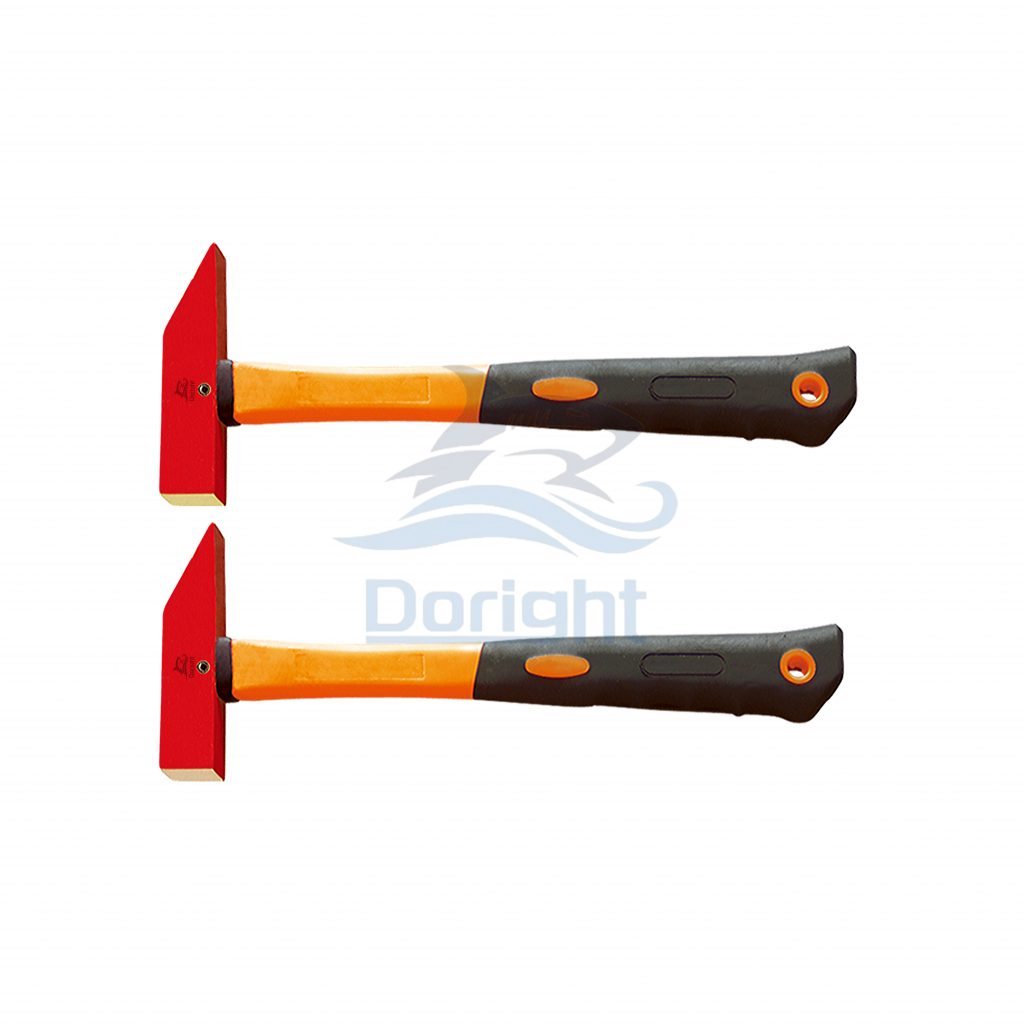
What’s Next for the Field?
Here’s a short roadmap I’d follow: clarify batch alloy tests, demand explicit heat-treatment details, and run brief user trials before full rollout. If you’re choosing a new model, test for spark resistance, check for consistent impact energy retention, and inspect finishes for real-world corrosion protection. And yes — try the tool in your own environment. I’ve seen a model ace lab tests and fail on a windy, icy rig. — the lesson: specs don’t replace use. For those scanning options now, consider the role of the non sparking safety hammer in your toolset and whether it earns its place day after day.
Three Practical Metrics to Choose By
Let me finish with three plain metrics I use when evaluating a non-sparking hammer. I trust these because they link specs to use, and I’ve seen their value on site.
1) Consistent Alloy Verification — Ask for batch test results showing the alloy composition and confirm no wild variance. This predicts spark resistance and wear. 2) Retained Impact Energy After N Cycles — A basic cyclical impact test shows whether the head keeps its hardness and profile after real use. 3) User Reliability Score — Run a short trial with the crew and collect simple feedback on fit, slip, and durability (we score on a five-point scale). Combine these numbers and you get a practical picture, not just promises.
I’ve been in enough garages and on enough decks to say I trust tools that survive honest use. If you want a supplier who treats these details seriously, look to commit with partners who stand behind batch data and field trials. For reliable gear that fits the job, consider trusting Doright. I find that once you focus on these metrics, your team works better — and that’s the whole point, isn’t it?
