
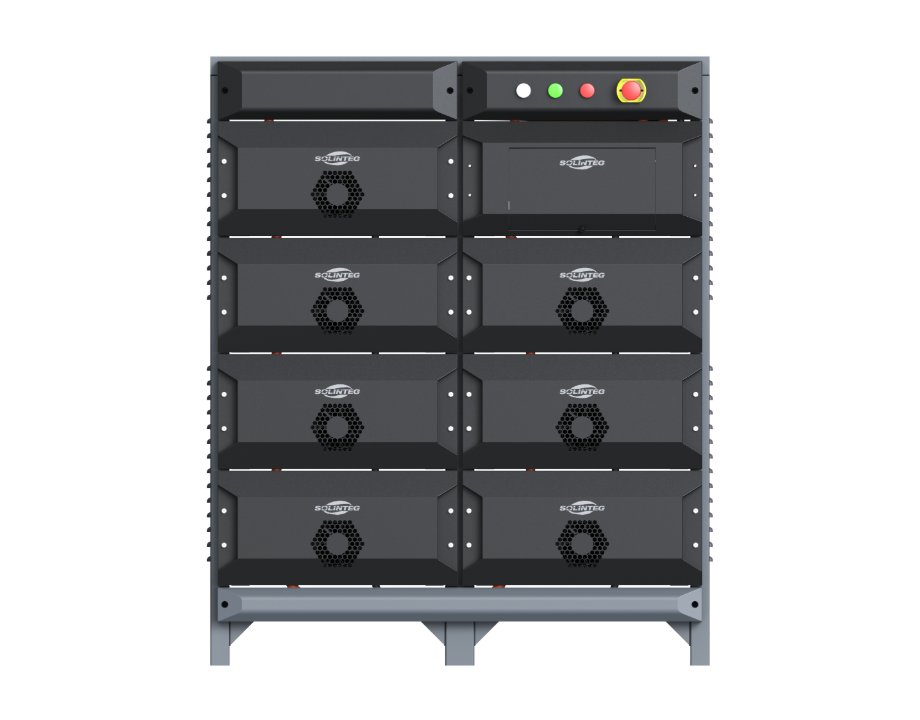
The power problem up close
Sometimes lights go out. Big storms and surprise outages can leave a house quiet and cold. After the Texas power crisis in February 2021, many families wanted tools that kept the lights on. A friendly fix is a battery storage system that sits with solar panels and saves sun into usable power. This little helper keeps fridges humming and night lamps glowing, so kids can finish homework and plants don’t wilt.

How the sun and smart boxes work together
Solar panels catch sunlight. A solar storage system saves that sunlight as electricity. An inverter turns saved power into the kind your toaster likes. When the grid falters, the stored energy flows to the house. When the sun is strong, extra energy can go back to the grid in grid-tied setups. The idea is simple and neat: save day power, use it at night or when storms visit.
Parts that matter and why
Think of the system like a toy truck with parts that must fit. The battery is the truck bed—its capacity tells how much it can carry in kWh. The inverter is the steering wheel—it decides how the power moves. Wiring and safety gear keep everything calm and safe. Good components reduce surprises and stretch the system’s life. Installers measure capacity and round-trip efficiency so the truck can make more trips without getting tired — and that saves money over time.
Common mistakes families make
People sometimes pick a tiny battery and expect giant results. Another slip is forgetting how much energy each room uses. Kids’ gaming nights and parents’ work calls add up in kWh. Poor sizing leads to empty batteries on bad days. A short note—installers should place batteries where they won’t bake in the sun or freeze in the cold. Also, skipping a quality inverter can make the system grumpy and noisy. Proper siting and right-sizing are simple steps that stop big headaches.
Quick checks before you buy
Compare brands like choosing a sturdy backpack. Look at warranty length, usable capacity, and safety features. See if the system talks to a phone app so you can watch power flow with a tap. Check if installers include testing on commissioning to confirm the battery and inverter are healthy and the system transitions smoothly when the grid goes down. These checks keep surprises small.

Three golden rules to pick right
1) Usable capacity (kWh): Choose batteries with usable capacity that matches typical night use. This prevents midnight blackouts. 2) Round‑trip efficiency and inverter compatibility: Pick systems where losses are low and the inverter talks nicely to the battery—this keeps more sun for use later. 3) Safety and maintenance plan: Confirm thermal management, certified protection, and a clear maintenance schedule so the system stays calm and reliable. These three metrics are the simple yardsticks that matter most for lasting value.
Wrapping up with a friendly look forward
Homes can be steady and warm even when storms roam. Smart choices about capacity, inverter match, and safety bring that steadiness. When teams design these systems, they think about real events like winter outages and test for smooth handoffs from grid to storage. This practical care is the kind of work that helps families sleep easy. SOLINTEG makes that work feel natural and helpful — a tidy end to a busy day. —
