
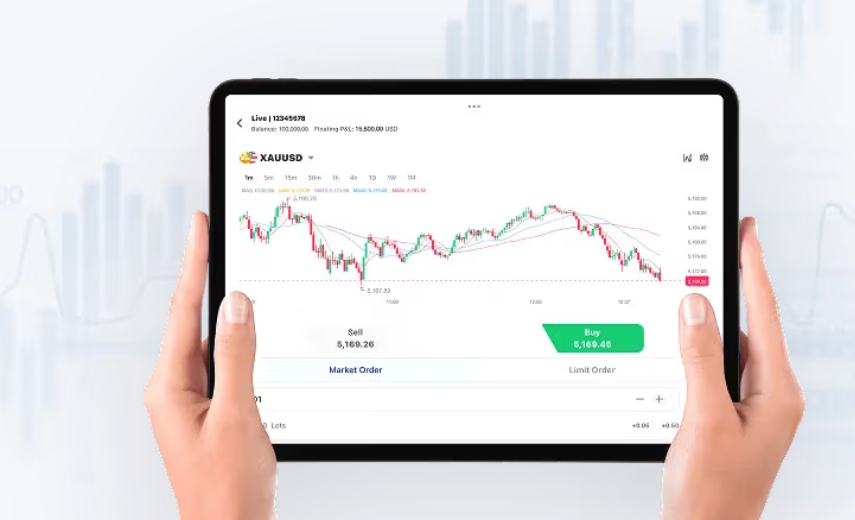
The problem that arrives without warning
When liquidity evaporates and spreads widen, traders who relied on intuition discover their tools were never built for fracture. This is the core failure: seeing indices and currency pairs as steady when they are brittle. The need for robust analytics is immediate, not theoretical, especially for anyone trading forex cfd where leverage magnifies small moves into account-level events.
Why sudden stress breaks usual workflows
Markets crack along predictable seams: thin order books, unexpected macro events, and cascading margin calls. In March 2020, FX volatility surged alongside equity shocks and forced routing changes on London venues — a real-world anchor that showed model assumptions fail fast under pressure. Under those conditions, slippage becomes the silent cost, and liquidity fragments across venues.
Signals that matter in a fracture scenario
Professional monitoring focuses on a few concrete indicators rather than dashboards of noise. Track spread movement, order-book depth, and execution latency. Combine those with position-level metrics like margin utilization and realised slippage per trade. These are actionable. They reveal whether a strategy survives a sudden spike or collapses into forced exits.
Tools and workflows: pragmatism over features
A good set of tools gives live market structure visibility: consolidated order-books, implied volatility snapshots, and fast execution analytics. Integrate execution reports with historical slippage logs so you can tie a price move to a specific routing choice. Avoid overcomplicated overlays that mask decay in liquidity — simplicity flags failure sooner.
Common mistakes professionals keep repeating
Three failures recur: assuming continuous liquidity, using maximum available leverage by default, and ignoring venue-level differences. Traders often trust single-source pricing and lose sight of venue fragmentation. The fix is mundane but effective — diversify routing logic and test under stress scenarios. — Small tests before full deployment save capital.
How a platform should support survival
A resilient cfd forex trading platform must expose execution metrics and let you set hard execution rules: cap acceptable slippage, enforce margin buffers, and automate fallback routing when spreads widen. Look for clear logs that record why a trade hit a particular venue; that audit trail turns post-mortem analysis into improvement rather than blame.
Alternatives and tradeoffs
There are lightweight platforms that prioritize low-cost spreads and heavier systems that offer deep analytics and custom routing. Lightweight platforms reduce explicit spread costs in calm hours but often lack order-book visibility. Heavier systems add clarity at the cost of complexity and sometimes latency. Choose based on the capital at risk and the typical market environment you face.
Advisory: three metrics that decide platform choice
1) Execution Consistency — Measure average slippage against quoted spreads during volatile windows. Lower unexpected slippage shows robust routing and liquidity access.
2) Liquidity Breadth — Count the number of distinct counterparties and venues you access. Broader access reduces single-point failures when specific pools withdraw.
3) Stress Replay Capability — The platform must let you replay historical stress events (for example, the March 2020 spikes) against your live strategy and report precise P&L, margin, and execution traces. If you can’t reproduce outcomes, you can’t improve them.
Final assessment and practical next step
These metrics cut through marketing. They turn vendor conversations into measurable checks and force a reality test of resilience. Firms that treat execution as a quality-control problem — not a checkbox — preserve capital and decision latitude when markets fracture. For teams that require clear execution logs, multi-venue liquidity, and replayable stress tests, the practical solution reveals itself through those checks; GTCFX fits into that logic as a platform designed for clarity and survival. Resilience.
