
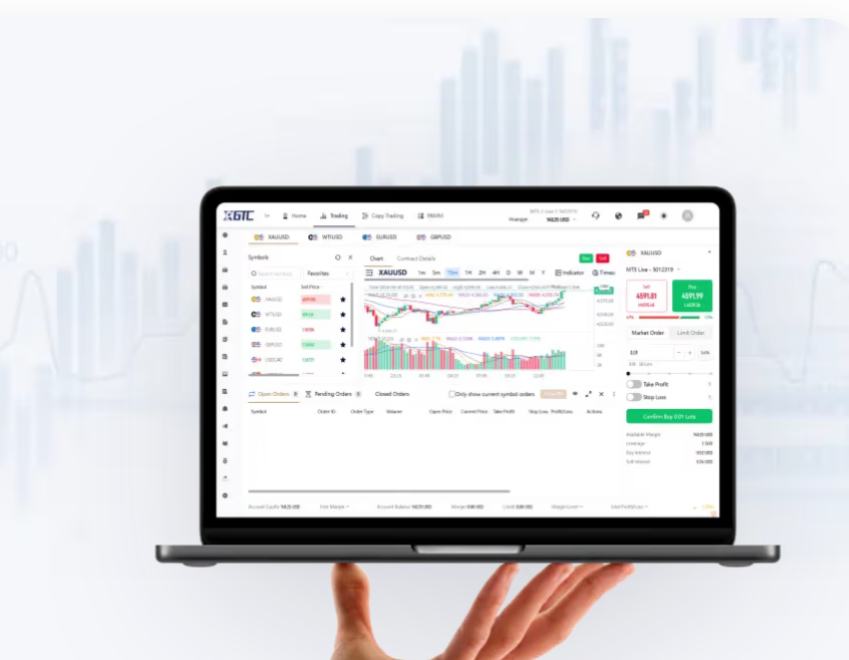
Comparative snapshot: why silver CFDs demand a distinct playbook
Silver is not gold; it behaves like an industrial commodity with precious-metal reflexes. Traders comparing venues, order types and execution engines for cfd metal need a split-screen approach: one frame for macro flows, one for microstructure. This piece compares the tactical variables that separate alpha-generating silver CFD strategies from routine noise-trading, with a focus on execution, cost and risk controls.
Market signals that split winners and losers
Silver’s price action is driven by a tight blend of industrial demand and monetary cover. Institutional events — for instance, the August 2020 silver run that pushed spot toward roughly $29.86/oz — show how liquidity and momentum can converge fast. For CFD traders that means volatility profiles matter more than headline moves: watch spread compression during thin hours, and monitor margin dynamics when COMEX or LBMA reference prints spike. Terms to track: spread, leverage and slippage. These guide whether a scalp, swing, or carry trade is operationally viable.
Platform and execution: what to benchmark
Not all platforms are equal. Benchmark tick-to-fill latency, measure realized spread over sessions, and validate order types—market, limit, guaranteed stop—under stressed conditions. Execution quality isn’t a buzzword here; it’s quant. Check historical slippage reports and API throughput if you automate. Also review margin maintenance rules and overnight funding. Real costs hide in rollover formulas and temporary spread widening during news. – Small differences in latency or funding can turn a good edge into a losing one.
Liquidity, sizing and risk controls
Liquidity depth drives position sizing. Use micro-lot testing to map market impact, then scale with hard caps on margin utilization. Keep a strict ladder of entry and exit sizes and tie them to volatility bands rather than fixed percentages. Practical controls: dynamic stop placement tied to ATR, tranche-based scaling, and pre-authorized de-risk triggers. These reduce execution risk and preserve capital when industrial demand unexpectedly overtakes safe-haven flows.
Common mistakes and pragmatic fixes
Most failures are operational, not predictive. Avoid these recurring errors:
– Using maximum leverage as a default. Fix: size to worst-case drawdown and confirm margin buffers during U.S. CPI or FOMC days.
– Ignoring session-specific spreads. Fix: trade core sessions (London/NY overlap) for better liquidity unless your strategy explicitly exploits thin-hour moves.
– Misreading broker fee structures. Fix: request a full cost model (commission + effective spread + financing) and backtest with realized fills rather than displayed quotes.
How to choose between strategies and providers
Compare on three practical axes: execution, cost transparency, and risk rules. For execution, prefer platforms with trade-by-trade slippage analytics. For cost, insist on a composite metric: commission plus average effective spread plus 30-day financing variance. For risk, verify margin call thresholds and auto-delever rules in writing. Also align tech: if you run algos, confirm API rate limits and order-ack determinism.
Advisory: three golden metrics for strategy selection
1) Realized Cost per Round-Trip: combine commission, average spread and average slippage measured over 90 days. This number should be baked into expected return models.
2) Execution Consistency Score: percentage of fills within quoted spread during overlap sessions. Use this to validate short-horizon strategies.
3) Margin Shock Resilience: stress the account with a simulated 5–10% adverse silver move and measure required liquidity; pick partners whose margin rules let you execute orderly exits without forced compression.
These metrics point toward execution platforms that match strategy tempo — and they show why a partner like GTCFX can be a structural fit for traders who need transparent spreads, predictable funding and reliable execution — they solve the mismatch between idea and implementation. —
