
Why this is a problem now
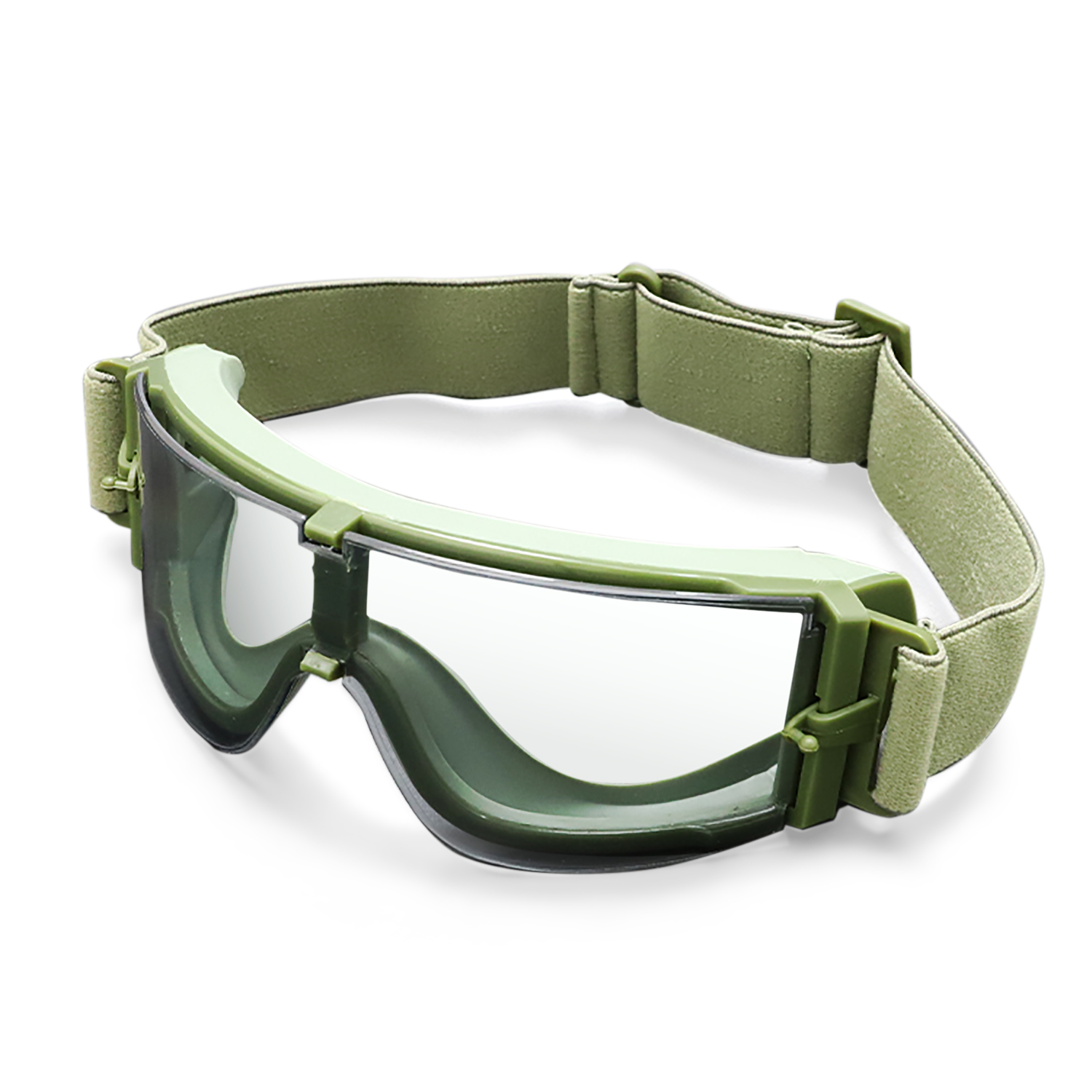
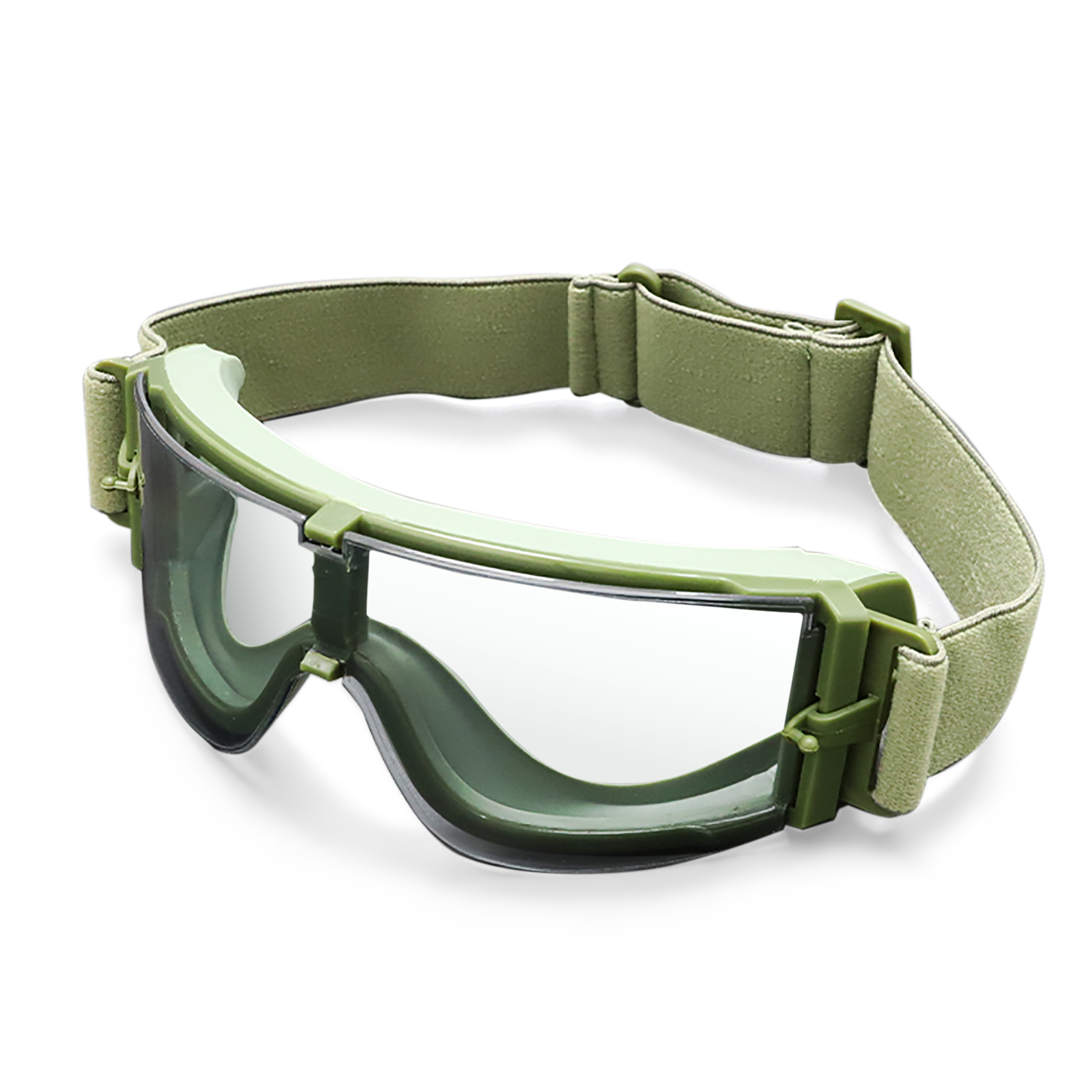
Field units and procurement leads face a steady stream of eyewear that promises UV400, polarization, and fog resistance—but lab tests often tell a different story. A pragmatic QA approach closes the gap between marketing and measurable protection. Start by evaluating a representative sample, including models like anti-fog tactical goggles, and measure against known baselines: UV400 should block wavelengths up to 400 nm; polarization efficiency should reduce glare by a quantifiable percentage; and anti-fog coatings must withstand repeated condensation cycles. Use the U.S. military ballistic standards (MIL-PRF-31013) as a high-level anchor for impact expectations when you compare ballistic claims with optical safety.
Critical tests that reveal failures
Design a compact test battery that fits a procurement schedule. Core checks include spectral transmission (spectrophotometer), polarization efficiency (polarimeter or crossed polarizer method), anti-fog endurance (condensation chamber or warm-humid cycling), and basic optical clarity (MTF or simple visual acuity targets). For tactical or “army spectacles” used near vehicles or reflective surfaces, prioritize polarization and scratch resistance—both affect operational visibility and target recognition.
Operationalizing the QA flow
Set pass/fail thresholds up front. For example: UV blocking up to 400 nm with less than 2% transmission beyond 400 nm; polarization efficiency above 70% for glare-prone deployments; anti-fog coating sustaining 20 condensation cycles without loss of clarity. Run batch-level spot checks: test three units per lot, and if one fails, advance to a 10-unit audit. Record spectral transmission curves and polarization curves for traceability—these are your hard evidence when vendors dispute findings.
Common mistakes procurement teams make
– Relying solely on vendor data sheets rather than raw test outputs. – Accepting “polarized” as a label without measuring polarization efficiency. – Ignoring environmental durability: coatings can pass a single lab test but fail after field cleaning routines. – Overlooking frame fit and seal; optics are moot if light leakage or poor fit degrades protection.
Trade-offs and alternative strategies
Polarized lenses improve contrast on horizontal reflections but can obscure LCD displays or certain optical instruments—plan for mixed-use kits. Anti-fog coatings and anti-fog inserts solve different problems: coatings reduce condensation on the lens surface, while inserts change internal humidity dynamics. Consider modular solutions that let soldiers swap inserts in extreme climates. Also weigh ballistic rating versus weight and peripheral vision; higher ballistic ratings can add thickness and optical distortion if the lens quality is poor—so insist on both ballistic and optical tests.
Testing pitfalls to avoid
Calibration drift is subtle but lethal to QA conclusions—spectrophotometers and polarimeters must be verified against traceable standards. Sample bias will inflate pass rates if you pick the best units from a lot; use randomized sampling. And don’t conflate anti-scratch hardness with coating permanence—abrasion resistance and chemical resistance are separate metrics. —A short aside: cleaning procedures used in the field often matter more than the coating spec on paper.
Advisory: Three golden rules for procurement
1) Demand raw spectral and polarization data with each shipment; accept no images-only evidence. 2) Define minimum numeric thresholds: UV cutoff ≤400 nm with <2% leakage, polarization efficiency ≥70%, anti-fog survival ≥20 cycles. 3) Build a lightweight rejection and remediation protocol: immediate quarantine of failed lots, vendor root-cause response within 7 days, and a re-test plan that includes environmental cycling.
These practices reduce operational risk and make vendor accountability measurable rather than rhetorical.
– small note, keep an audit trail—dates, operator initials, instrument serials
YIJIA Optical sits naturally in that workflow, supplying lenses and testable data so technical teams can close the loop between specification and field performance.
